
Amphotericin B
By BoNbOoNa
Updated 2 min read
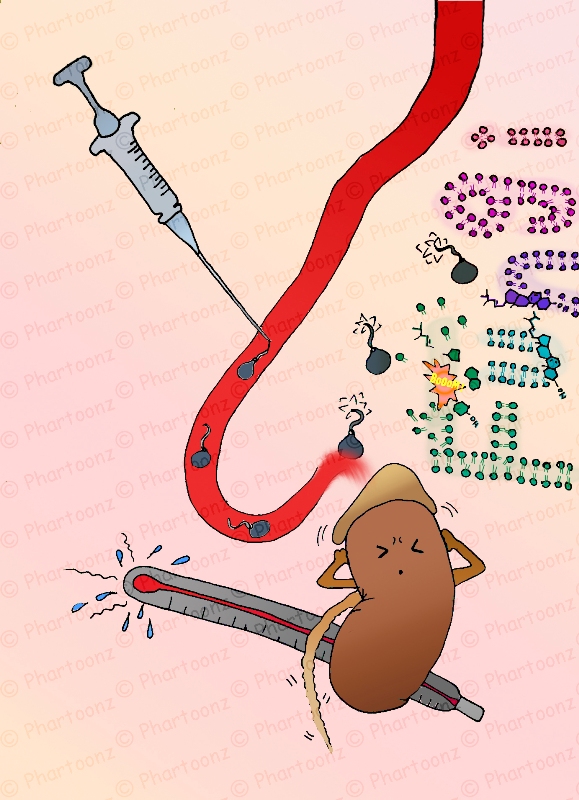
The classic antifungal is Amphotericin B.
Most species of fungi are susceptible to it,
and although it has many side effects ;
it remains the drug of choice for most serious systemic fungal infections .
=========
~ Mode of action ~
amphotericin is a pore- former in the cell membrane of fungi as it binds firmly to ergosterol
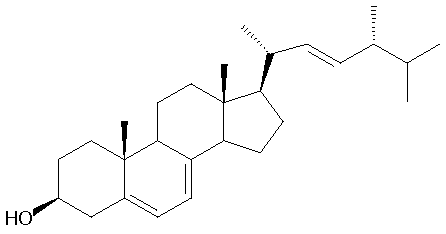
Ergosterol is a vital part of the cell membranes of fungi
but, it is absent in the cell membranes of humans which contain cholesterol.
Amphotericin binds to ergosterol and selectively damages fungal cells rather than human cells.
By binding to or inhibiting ergosterol synthesis, amphotericin forms many pores
which increase the permeability of the cell membranes ,
so , cellular macromolecules and ions are lost producing irreversible damage
and eventually cell lysis
~ Adverse Effects ~
1) Renal toxicity:
There is an increase in creatinine level in most patients taking this drug ,
This is reversible if the drug is stopped
The creatinine level must be followed closely,
and if it becomes too high (creatinine > 3),
the dosage may have to be lowered, terminated, or switched to alternate day regimens.
2) Acute febrile reaction:
A shaking chill with fever .
3) Anemia.
4) phlebitis
Inflammation of the vein at the IV site.
=====
These side effects are important because they are very common .
In fact , . . when amphotericin B is given in the hospital,
it is usually given with aspirin or acetaminophen to prevent the febrile reaction.
Daily creatinine levels are drawn to monitor kidney function.
======
Hint 1 :
Amphotericin B in the form of IV colloidal preparation is used as a systemic antifungal ,
but , it’s is poorly absorbed from the GIT if given orally ,
so it’s not used orally for treatment of systemic disease and it’s only effective on Fungi within the lumen of the tract .
Hint 2 :
Bacteria are not effected by Amphotericin B
because they lack the ergosterol that is essential for attachement to the cell membrane and formation of pores
—–
Reference :
Basic and clinical pharmacology \ chapter 48 \ pages 592 & 593
About the author
Keep reading
Selectivity of Beta blockers
Beta blockers prevent catecholamines ( Epinephrine & Norepinephrine ) from binding to beta receptors. Mainly , 3 types of beta receptors have been internationally identified : β1 , β2 , β3 ” Beta receptors will be illustrated in other coming posts “ ~ First generation of β blockers ~ Non-selective =…
Dec 15, 2010
Atropine Cardio-action !
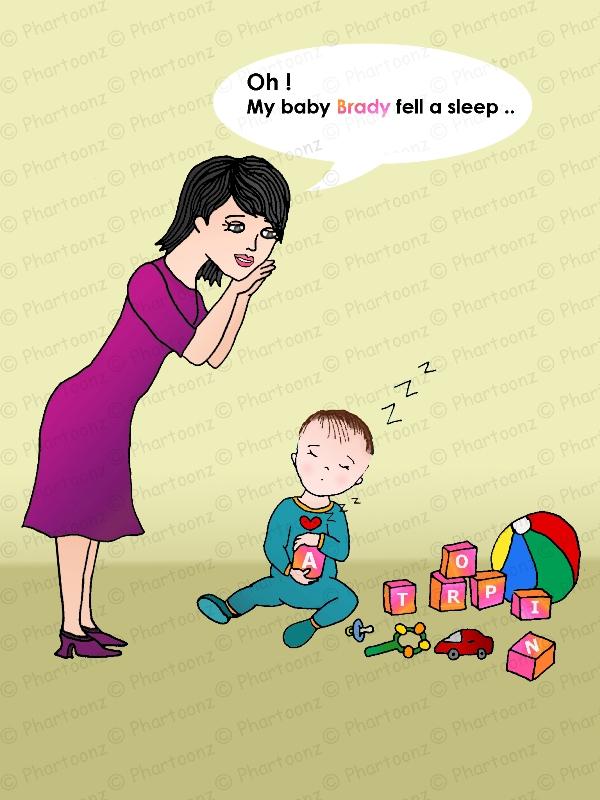
Atropine Functions as a Cardioaccelerator , so it’s used for treatment of Bradycardia How is that ??
Aug 6, 2010

Triethanolamine Polypeptide Oleate
the pic shows an easy way to memorize the Drug name : ” Triethanolamine polypeptide oleate “ Q : How ??
Jul 1, 2010
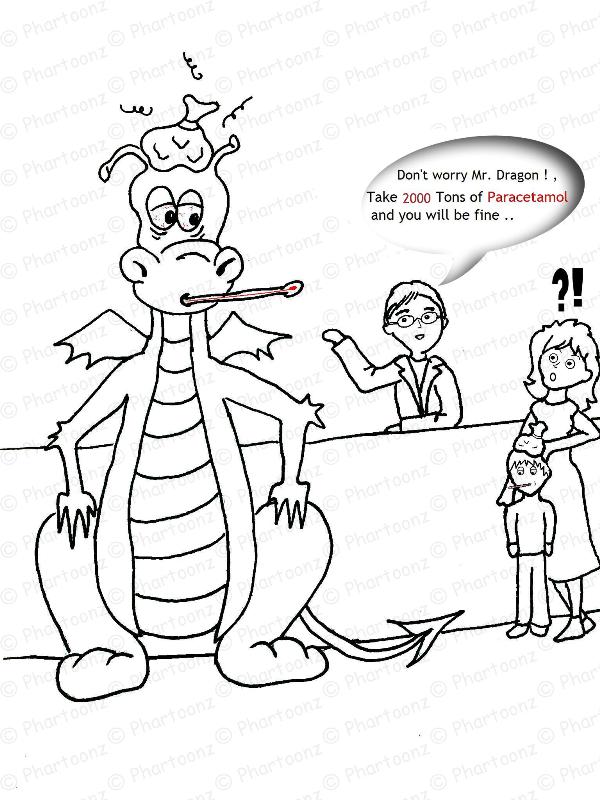
Paracetamol as Antipyretic
Paracetamol (acetaminophenol) is the most famous Antipyretic on earth it’s much more safe than aspirin , used for Children , Pregnant women , Patients with hyper-acidity Or using anticogulants
Jun 26, 2010
4 comments
From the original article · comments are closed
Mohamed
Thank you for the info. keep up
BoNbOoNa
thanks , keep up you too .
Wordpress Themes
Amiable fill someone in on and this mail helped me alot in my college assignement. Say thank you you for your information.
BoNbOoNa
welcome any time ^_^