
The ABC’s of Hepatitis at a glance
By Phartoonz
2 min read
Key takeaways
The ABCs of hepatitis: what hepatitis is, its common symptoms, and how hepatitis A, B and C differ in transmission, vaccination, treatment and severity.
The more you know about Hepatitis, the more you can do to reduce your risks for long term illness and associated health issues. Viral hepatitis is the leading cause of liver cancer and the most common reason for liver transplantation. It is estimated that 4.4 M Americans are living with chronic hepatitis, most don’t know they are infected.
What is Hepatitis?
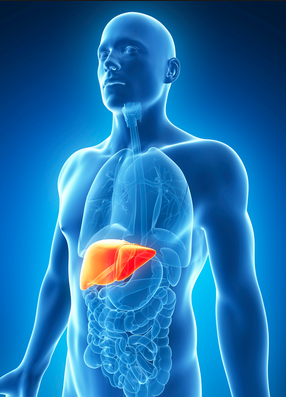
Hepatitis means inflammation of the liver and also refers to a group of viral infections that affect the liver.
What are the common types of Hepatitis?
- Hepatitis A
- Hepatitis B
- Hepatitis C
What are the most common symptoms of Hepatitis?
- Fever.
- Fatigue.
- Loss of Appetite.
- Nausea.
- Vomiting.
- Abdominal Pain.
- Joint Pain.
- Jaundice.
- Gray-colored bowel movements.
What are the differences between Hepatitis types?
They are different like A,B & C
Hepatitis A (HAV)
Mode of transmission: Ingesting contaminated food or water, or coming into contact with contaminated fecal matter.
Vaccination: Available
Duration: a few weeks
Treatment: HAV gets better usually within a few weeks without treatment.
Severity: Most persons with acute disease recover with no lasting liver damage, it is rarely fatal.
Hepatitis B (HBV)
Mode of transmission: Contact with infected body fluids like blood, semen through:
- Birth to an infected mother.
- Sexual contact with an infected person.
- Sharing of contaminated needles, syringes or any other infected drug injection device or tool.
- Other infected sharp instruments by injury.
Vaccination: Available
Duration: a few weeks to lifelong illness.
Treatment: Since HBV could be acute or chronic, treatments vary including monitoring of liver signs or disease progression and using antiviral drugs.
Severity: 15% to 25% of infected persons develop chronic liver disease like cirrhosis, liver failure or liver cancer.
Hepatitis C (HCV)
Mode of transmission: Contact with infected body fluids like blood, semen through:
- Birth to an infected mother.
- Sexual contact with an infected person.
- Sharing of contaminated needles, syringes or any other infected drug injection device or tool.
- Other infected sharp instruments by injury.
- Using an infected person’s razor, toothbrush or nail clippers.
Vaccination: Not Available
Duration: a few weeks to a serious lifelong illness.
Treatment: Treatments vary including monitoring of liver signs or disease progression and using antiviral drugs. New promising drugs are available on the market to treat HCV infections.
Severity:
60% to 70% of chronically infected persons develop chronic liver disease like cirrhosis, liver failure or liver cancer.
- 5% to 20% develop cirrhosis over a period of 20 to 30 years.
- 1% to 5% will die from cirrhosis or liver cancer.
Finally, Keep your liver safe! 
Keep reading
Kidney Diseases Charts at a glance
Kidney disease charts at a glance for acute kidney injury (AKI), chronic kidney disease (CKD) and dialysis: phases, signs and symptoms, and interventions.
Jan 19, 2022

Gallbladder Diseases Chart
Gallbladder diseases chart covering cholecystitis, cholelithiasis, cholangitis and gallstone pancreatitis, with what each term means and its symptoms.
Jan 18, 2022

Comparison of different types of recent COVID oral antivirals.
novel oral antivirals for COVID-19. The medications currently under consideration are Merck’s molnupiravir and Pfizer’s paxlovid.
Dec 29, 2021

Stroke at a glance – F.A.S.T Signs
Similar to heart attack, stroke is a brain attack due to ischemia (Blood doesn't flow well to the brain cells). F.A.S.T are the signs of Strokes.
Jun 3, 2020