
Organic Chemistry Classes with structure
By Phartoonz
3 min read
Key takeaways
Organic chemistry classes with structures for pharmacy exams: alkanes, alkenes, aromatics, alcohols, phenols, ethers, aldehydes, ketones, amines and more.
Organic Chemistry Classes “OCC”
When you are preparing for pharmacy examination, organic chemistry is very important to understand many biological interactions and drug binding concepts.
I will enumerate different organic classes with important tips about them. Here we go:
Click to enlarge!
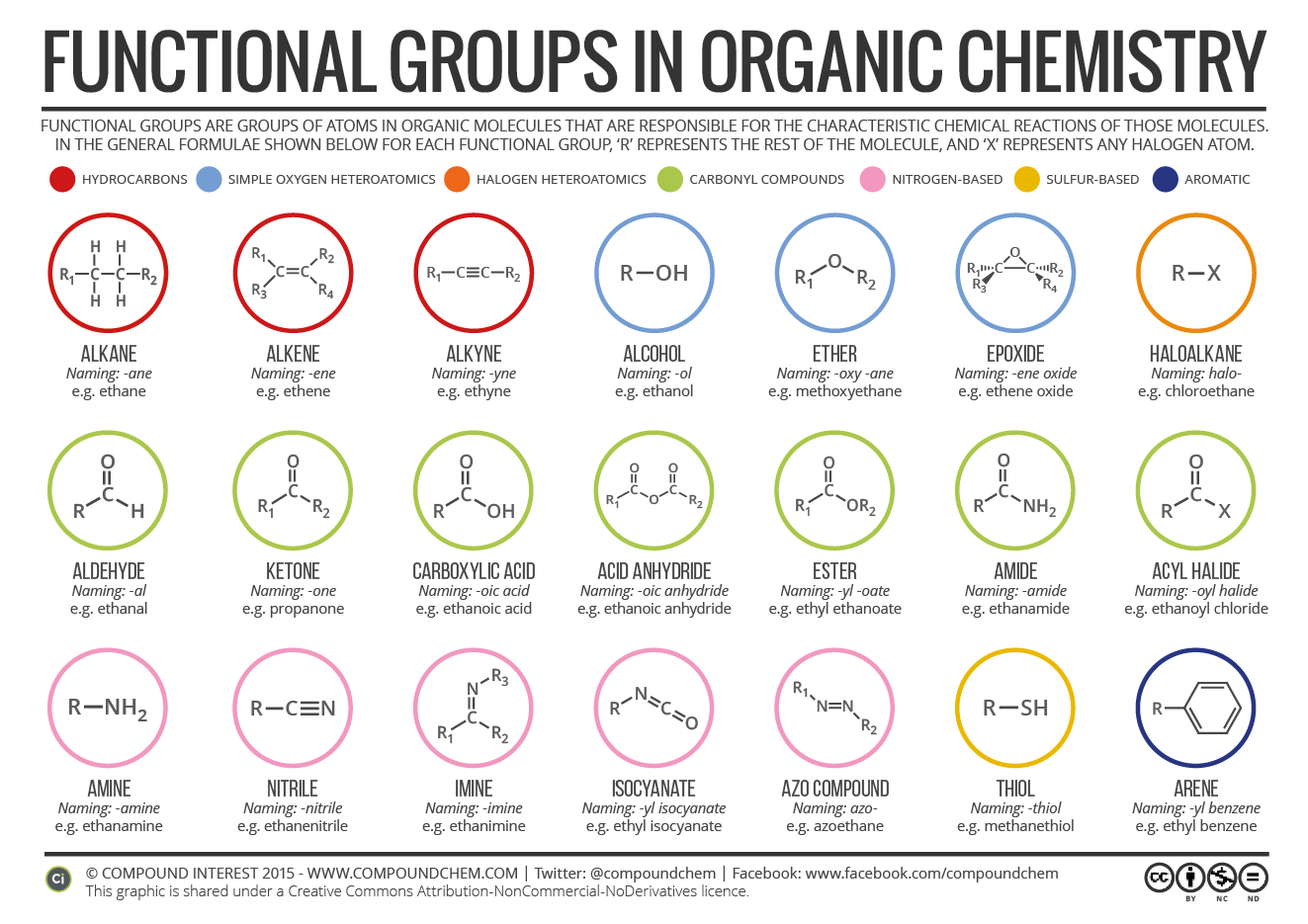
Alkanes
- Also called paraffins, saturated hydrocarbons.
- General formula: R-CH2-CH3.
- Lipid soluble.
- Common reactions: halogenation, combustion.
- Chemically inert to air, heat, light, acids, bases.
- Stable in vivo.
Alkenes
- Also called olefins, unsaturated hydrocarbons.
- General formula: R-CH=CH2. Lipid soluble.
- Common reactions: addition of hydrogen or halogen, hydration (to form glycols), oxidation (to form peroxides).
- Volatile alkenes and peroxides may explode in presence of O2 and spark
- Stable in vivo.
- Hydration, peroxidation, reduction may occur.
Aromatic hydrocarbons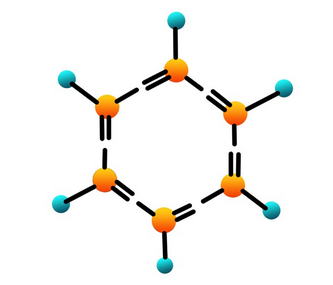
- Based on benzene.
- Exhibit multicenter bonding. Lipid soluble. Common reactions: halogenation, alkylation, nitration, sulfonation. Chemically stable.
- In vivo: hydroxylation, diol formation.
Alkyl halides
- Halogenated hydrocarbons. General formula: R-CH2-X.
- Lipid soluble.
- ↑ degree of halogenation↑ Solubility.
- Common reactions: dehyro-halogenation, nucleophilic substitution.
- Stable on the shelf. Not readily metabolized in vivo.
Alcohols 
- Contains OH group.
- May be primary (R-CH2-OH), secondary (R1/R2-CH-OH), or tertiary (R1/R2/R3-C- OH).
- Alcohols are lipid soluble.
- Low molecular weight alcohols are water soluble.
- ↑ hydrocarbon chain length ↓ water solubility.
- Common reactions: oxidation, esterification.
- Stable on shelf.
- In vivo: oxidation, sulfation, glucuronidation.
Oxidation:
primary alcohol aldehydeacid.
Second aryalcoholketone.
Tertiary alcohol not oxidized.
Phenols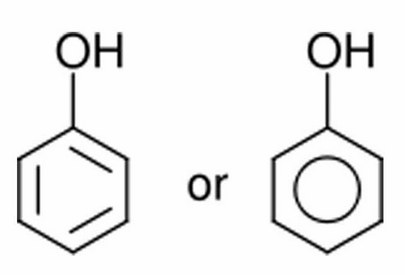
- Aromatic compounds containing OH groups directly connected to aromatic ring.
- Monophenols one OH.
- Catecholstwo OH.
- Phenol (carbolic acid): water soluble.
- By ↑ ring substitution ↓ water solubility.
- Most phenols are lipid soluble.
- Common reactions: with strong bases to form phenoxide ion, esterification with acids, oxidation to form colored quinones.
- On the shelf: oxidation with air or ferric ions.
- In vivo: sulfation, glucuronidation, aromatic hydroxylation, o-methylation.
Ethers 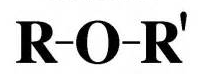
- General formula: R-O-R.
- Lipid soluble.
- Partially water soluble.
- By ↑ hydrocarbon chain ↓ water solubility.
- Common reaction: oxidation to form peroxides (may explode).
- In vivo: o-dealkylation.
- Stability ↑ with size of alkyl group.
Aldehydes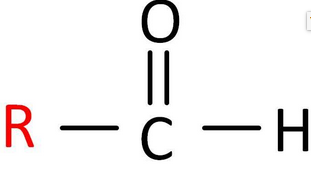
- General formula: R-CHO (contains a carbonyl group C=O).
- Lipid soluble.
- Low molecular weight aldehytes are also water soluble.
- Common reactions: oxidation (to acids, in vivo and in vitro) and acetal formation.
Ketones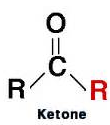
- General formula: R-CO-R (contains a carbonyl group C=O).
- Lipid soluble.
- Low molecular weight ketones are also water soluble.
- Non-reactive and very stable on the shelf.
- In vivo: some oxidation or reduction.
Amines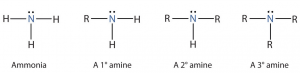
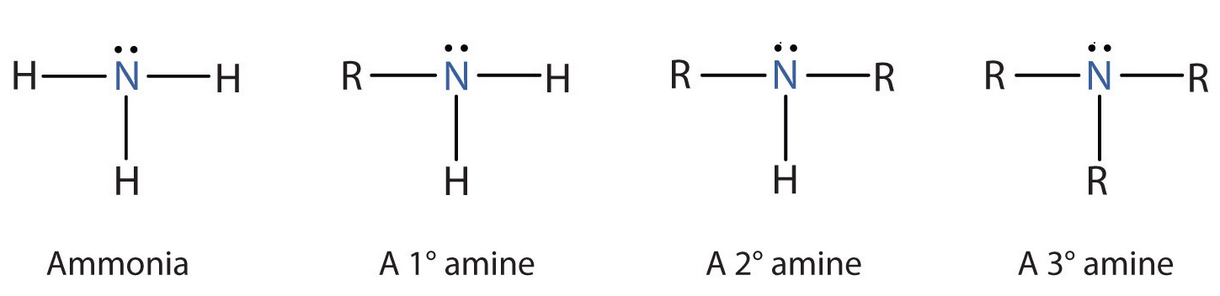
- Contain an amino group (-NH2).
- Primary (R-NH2), secondary (R1/R2-NH), tertiary (R1/R2/R3-N), quaternary (R1/R2/R3/R4-N+ X-).
- Lipid soluble.
- Low molecular weight amines water solubility.
- By ↑ branching ↓ water solubility (primary amines and most soluble).
- Quaternary amines (ionic) and amine salts are water soluble.
- Common reactions: oxidation (air oxidation on shelf), salt formation with acids.
- Aromatic amines are ↓ basic↓ reactive with acids.
- In vivo: glucuronidatin, sulfation, methylation.
- 1ry: oxidative deaminatin.
- 1y/2ry: acetylation.
- 2ry/3ry: dealkylation.
Carboxylic acids
- General formula: R-COOH (Carboxyl group –COOH).
- Lipid soluble.
- Low molecular weight acid and Na/K salts are water soluble.
- Common reactions: salt formation with bases, esterification, decarboxylation.
- Very stable on shelf.
- In vivo: conjugation (with glucuronic acid, glycine, glutamine), beta oxidation.
Esters
- General formula (R-COOR).
- Lipid soluble.
- Low molecular weight esters are slightly water soluble.
- Common reaction: hydrolysis to form carboxylic acid and alcohol (in vivo by esterases / in vitro).
Amides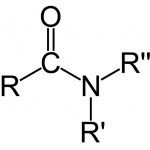
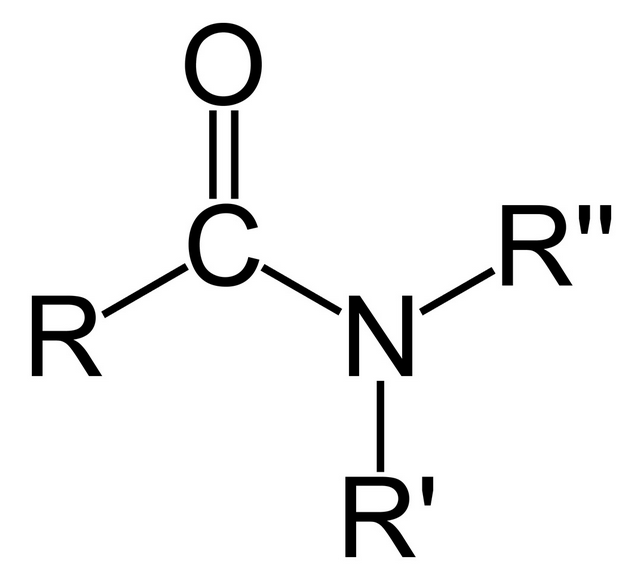
- General formula: R-CONH2 or R-CONR1/R2 (lactam form).
- Lipid soluble.
- Low molecular weight amides are slightly water soluble.
- No common reactions.
- Very stable on shelf.
- In vivo: enzymatic hydrolysis by amidases in the liver.
Keep reading
Why you should avoid alcohol while taking metronidazole ?
Metronidazole is a well-known anti-bacterial agent that has been used for decades to treat infections, especially gram positive agents. However, it is recommended to avoid alcohol while you are under any treatment regimen that includes Flagyl (Metronidazole). Disulfiram-like reaction: A disulfiram-like reaction occurs when alcohol interacts similarly with a drug other than disulfiram, such as…
Sep 13, 2019
List of abused and addicted drugs
Of course whenever we think about drugs of abuse and addiction, some members of the following list came to our mind: Disclaimer : Information and names listed below are for educational & scientific purposes only. Warning : Abusing drugs KILLS! 1. HEROIN Heroin is synthesized from morphine in a relatively simple process. Heroin was…
Sep 23, 2016

How to stop Hiccups
Hiccups ( sometimes called Hiccoughs ) are very common and almost affects every one .. simply , the reason we experience Hiccups is an irritation in a dome-shaped muscle which separates the chest from the abdomen known as the diaphragm . diaphragm irritation causes involuntary spasms leading to quick intake of breath that is suddenly…
Sep 28, 2010
Anatomy Tips for PEBC EE
Basic concepts & tips of anatomy should be covered in PEBC EE, according to the blue print for EE Physiology/ Functional Anatomy is included and should be revised. Let’s go – EE anatomy tips: Body Movements: abduction : moving a limb away in the frontal plane from the median plane of the body, spreading the…
Jul 16, 2017