
Macro-molecules nucleic acids structure
By Phartoonz
Updated 2 min read
Following up wih PEBC notes and their evaluating exam structure, we will review a quick important notes as well as tips that you might be asked about during the exam.
We will talk about the structure and important tips about the macro-molecules:
Nucleic Acids
- The basic units of nucleic acids are nucleotides; each nucleotide contains a heterocyclic nitrogenous base, a sugar, and phosphate.
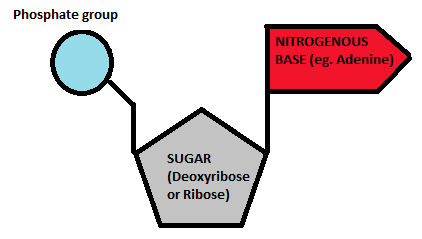
- Deoxyribose is present in DNA, whereas RNA contains Ribose. (mnemonics from its name)
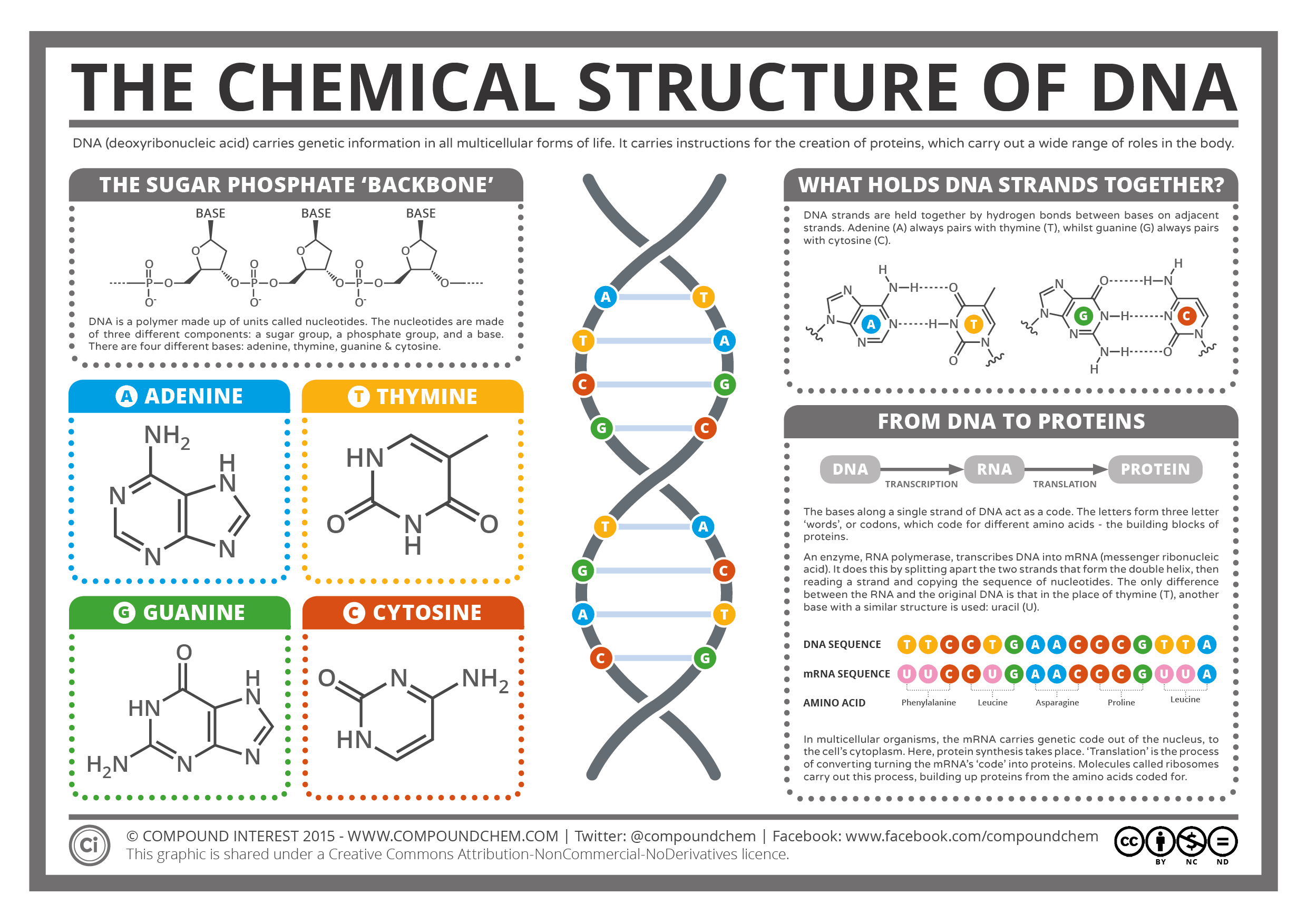
- DNA contains the bases: adenine (A), guanine (G), cytosine (C), and thymine (T).
- RNA contains: adenine (A), guanine (G), cytosine (C), but has uracil (U) instead of thymine.
DNA Structure
Each DNA molecule consists of two polynucleotide chains joined by hydrogen bonds between the bases; Adenine on one chain forms abase pair with thymine on the other chain, while Guanine base pairs with cytosine. The base sequences of the two strands are complementary. Adenine on one strand is matched by thymine on the other, and guanine is matched by cytosine. Then The double-stranded molecule is twisted to form a helix.
Important Definitions:
Denaturation: Alkali or heat cause the strands of DNA to break and separate but do not break phosphodiester bonds.
Renaturation: If the temperature is slowly decreased under the appropriate conditions, base pairs re-form and complementary strands of DNA come back together from denaturation.
Hybridization: A single strand of DNA pairs with complementary base sequences on an- other strand of DNA or RNA.
RNA Structure
The polynucleotide structure of RNA is similar to DNA except that RNA contains the sugar ribose rather than deoxyribose and uracil rather than thymine. RNA is generally single-stranded (in contrast to DNA, which is double-stranded). Some RNA molecules act as catalysts of reactions; thus, RNA, as well as protein, can have enzymatic activity.
What is the function of RNA polymerase ?
RNA polymerase unwinds the DNA helix and transcribes the DNA template strand into RNA, beginning at the transcription start site.
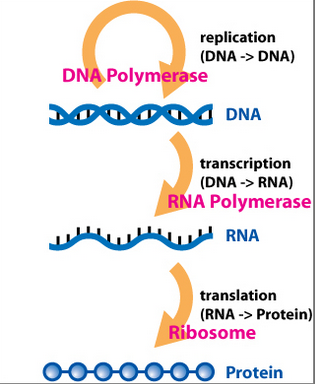
The three major types of RNA have specific functions in protein synthesis:
a. Messenger RNAs (mRNAs) provide the blueprint for an amino acid sequence.
b. Transfer RNAs (tRNAs) match genetic information to an amino acid sequence.
c. Ribosomal RNAs (rRNAs) self-assemble with basic proteins to form ribosomes.
Chromosomes
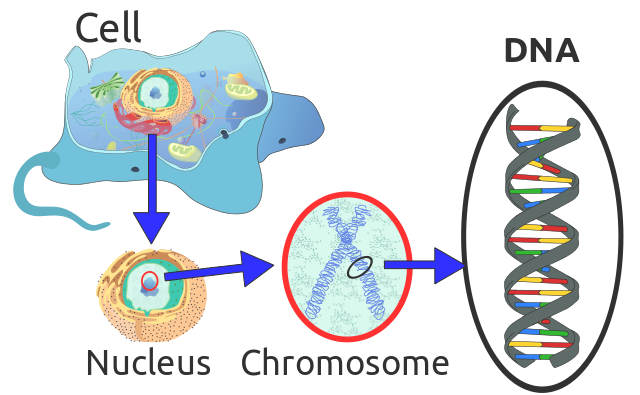
The DNA molecule is packaged into thread like structures called chromosomes. Each chromosome consists of DNA tightly coiled many times around proteins called histones that support its structure.
Chromosomes have a constriction point called the centromere which divides each chromosome into two arms one is longer than the other.
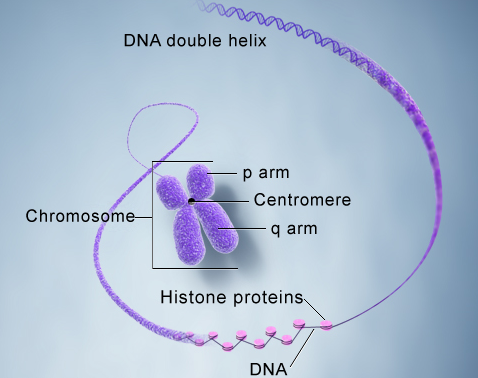
- The human cell contains 23 pairs of chromosomes, that is a total of 46 chromosomes.
- 22 pairs called autosomes because they are identical in both males and females.
- The 23rd chromosome is different in both males (XY) and females (XX)
You can understand more about DNA and Chromosomes by watching the following video:
To be continued …
Keep reading

PEBC Evaluation exam (EE)
PEBC Pharmacists Evaluating Exam In collaboration from pharmacists who have attended the Evaluation exam (EE) , we are going to start a new category of phartoonz.com to address latest questions, tips and study resources. (PEBC Forum) So for those who don’t know the Canadian Evaluation exam for pharmacists, it is the first step to get…
Apr 18, 2017
Quick important tips about Carbohydrates (Biochemistry)
Updated: 19/4/2017 So related to biochemistry we will review carbohydrates for the EE, we will share the most important tips and notes related to the PEBC pharmacits evaluating exam! Quick notes: Carbohydrates are the main sources of energy in the body. The liver has the major responsibility for maintaining blood glucose levels. The brain oxidizes…
Apr 18, 2017
Classification of Bio Enzymes
What are enzymes ? They are biocatalysts that act on a substrate and then convert it into product. They usually have the suffix -ase. Most of enzymes are proteins. Enzymes follow the physical and chemical reactions of proteins. They are heat labile and water soluble. Enzymes are classified into: Oxidoreductases: Function : Transfer of hydrogen…
Apr 18, 2017

Exams time ..
Mid term exams arrived . . . the worst thing about college is having to go through lots of exams and sheets :ermm: for me , i like reading and find many pharmaceutical and medical subjects interesting and create many mnemonics to make studying them easier Maybe i’ll make a post about studying tips one…
Nov 18, 2010