
Quick important tips about Carbohydrates (Biochemistry)
By Phartoonz
Updated 2 min read
Updated: 19/4/2017
So related to biochemistry we will review carbohydrates for the EE, we will share the most important tips and notes related to the PEBC pharmacits evaluating exam!
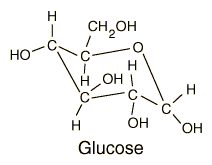
Quick notes:
- Carbohydrates are the main sources of energy in the body.
- The liver has the major responsibility for maintaining blood glucose levels.
- The brain oxidizes glucose to CO2 and H2O, whereas red blood cells oxidize glucose to pyruvate and lactate.
- The digestion of carbohydrates occurs briefly in mouth and largely in the intestine.
- Carbohydrates digestion begins in the mouth to a significant extent. During the process of mastication, salivary α-amylase (ptyalin) acts on starch randomly and cleaves α- 1,4-glycosidic bonds.
- The enzyme salivary amylase is inactivated by high acidity (low pH) in the stomach. Therefore, the ongoing degradation of starch is stopped in stomach.
- Non digestible carbohydrates : The fibers are chemically complex carbohydrates which include cellulose, hemicellulose, pectins, lignin and gums. ( Usually used as laxatives).
Classification:
- Monosaccharides : Glucose and Fructos.
- Disaccharides : two monosaccharides are combined together with elimination of a water molecule example: Sucrose, lactose, and maltose.
- Oligosaccharides : from two to ten monomers.
- Polysaccharides : More than 10 monomers as in cellulose and starch.
Metabolism of Carbohydrates:
Just to know what is the metabolism and the difference between anabolism and catabolism you can refer to this article : Metabolism ( Anabolism ↔ Catabolism )
So, metabolic pathway constitutes a series of enzymatic reactions to produce specific products.
Metabolism is divided into:
-
- Anabolism : The biosynthetic reactions related to the formation of complex molecules from simple precursors or substrates.
- Catabolism : The degradative processes related to the breakdown of complex molecules to simpler ones, with release of energy.
How do Carbohydrates metabolized ?
There are many pathways for Carbohydrates metabolism but we will go through the most important ones:
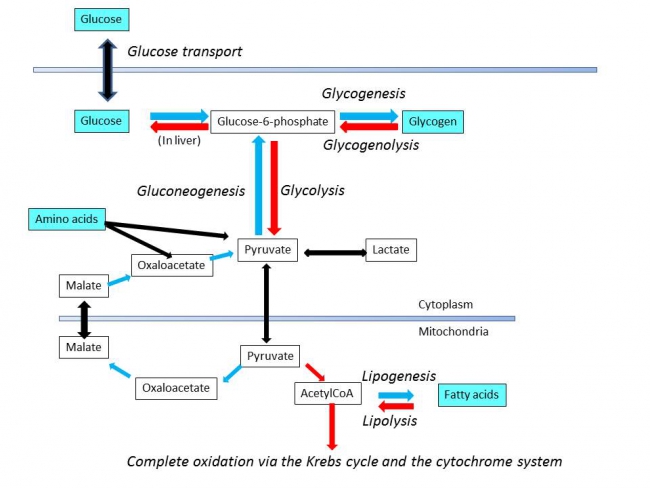
- Glycolysis (Embden-Meyerhof pathway) : The oxidation of glucose to pyruvate and lactate.
- Citric acid cycle (Krebs cycle or tricarboxylic acid cycle) : The oxidation of acetyl CoA to CO2. Krebs cycle is the final common oxidative pathway for carbohydrates, fats or amino acids, through acetyl CoA.
- Gluconeogenesis : The synthesis of glucose from non carbohydrate source & it is regulated by glucagon (e.g. amino acids, glycerol etc.).
- Glycogenesis : The formation of glycogen from glucose.
- Glycogenolysis : The breakdown of glycogen to glucose.
- Hexose monophosphate shunt (pentose phosphate pathway or direct oxidative pathway) : This pathway is an alternative to glycolysis and TCA cycle for the oxidation of glucose (directly to carbon dioxide and water).
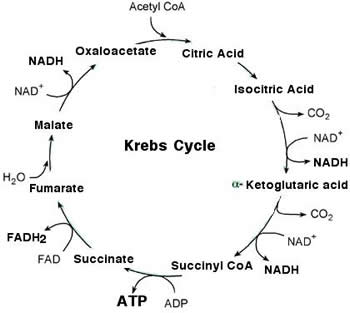
Krebs cycle or tricarboxylic acid cycle:
- The citric acid cycle (Krebs cycle or tricarboxylic acid—TCA cycle) is the most important metabolic pathway for the energy supply to the body.
- Citric acid cycle essentially involves the oxidation of acetyl CoA to CO2 and H2O.
- Krebs cycle is the most important central pathway connecting almost all the individual metabolic pathways.
- The enzymes of TCA cycle are located in mitochondrial matrix, in close proximity to the electron transport chain. This enables the synthesis of ATP by oxidative phosphorylation without any hindrance.
- The cycle operates only under aerobic conditions.
Tagged
Keep reading

PEBC Evaluation exam (EE)
PEBC Pharmacists Evaluating Exam In collaboration from pharmacists who have attended the Evaluation exam (EE) , we are going to start a new category of phartoonz.com to address latest questions, tips and study resources. (PEBC Forum) So for those who don’t know the Canadian Evaluation exam for pharmacists, it is the first step to get…
Apr 18, 2017
Anatomy Tips for PEBC EE
Basic concepts & tips of anatomy should be covered in PEBC EE, according to the blue print for EE Physiology/ Functional Anatomy is included and should be revised. Let’s go – EE anatomy tips: Body Movements: abduction : moving a limb away in the frontal plane from the median plane of the body, spreading the…
Jul 16, 2017
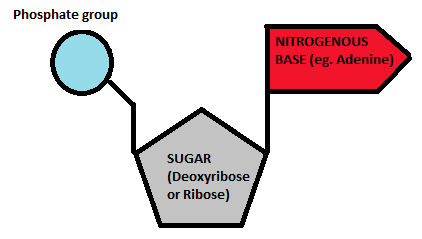
Macro-molecules nucleic acids structure
Following up wih PEBC notes and their evaluating exam structure, we will review a quick important notes as well as tips that you might be asked about during the exam. We will talk about the structure and important tips about the macro-molecules: Nucleic Acids The basic units of nucleic acids are nucleotides; each nucleotide contains…
Apr 22, 2017

Exams time ..
Mid term exams arrived . . . the worst thing about college is having to go through lots of exams and sheets :ermm: for me , i like reading and find many pharmaceutical and medical subjects interesting and create many mnemonics to make studying them easier Maybe i’ll make a post about studying tips one…
Nov 18, 2010