
PEBC Evaluation exam (EE)
By Phartoonz
Updated 1 min read

PEBC Pharmacists Evaluating Exam
In collaboration from pharmacists who have attended the Evaluation exam (EE) , we are going to start a new category of phartoonz.com to address latest questions, tips and study resources. (PEBC Forum)
So for those who don’t know the Canadian Evaluation exam for pharmacists, it is the first step to get the license to be a pharmacist in Canada. ( Please note that license requirements may differ according to the Canadian province where you are applying for your pharmacist license)
To pass the evaluation exam you should be familiar with the following pharmaceutical and pharma related areas because you will not pass it without understanding how does it work and what is the most important areas to be studied:
- BIOMEDICAL SCIENCES
Biomedical sciences include:
-Biochemistry.
-Genomics and Molecular Biology.
-Physiology/ Functional Anatomy.
-Immunology.
-Medical Microbiology.
Biomedical sciences weight about 15% of the evaluation exam.
- PHARMACEUTICAL SCIENCES
-Pharmaceutics and Drug Delivery Systems.
-Pharmacokinetics and Biopharmaceutics.
-Medicinal Chemistry.
-Pharmacology.
-Toxicology and Clinical Toxicology.
-Biotechnology and Pharmacogenetics.
It weight about 25%
- Clinical Sciences
-Pathophysiology
-Clinical Biochemistry/ Laboratory and Diagnostic Testing
-Pharmacotherapeutics (including Prescription, Non-prescription and Complementary Therapy)
-Health Promotion and Disease Prevention
-Patient Care Process (Assessment/ Intervention/ Monitoring/ Follow-up/ Documentation)
-Special Populations (including Geriatrics, Pediatrics, Pregnancy and Lactation)
-Nutrition
Weights 35%
- Professional Practice Skills
-Prescription Processing and Product Preparation (including Non-sterile and Sterile Compounding)
-Prescription Calculations
-Communication/ Patient Counselling
-Drug Information
-Literature Evaluation/ Research Methods/ Evidence-Based Decision Making (including Pharmacoepidemiology)
-Medication/ Patient Safety Practices
-Law/ Jurisprudence
-Professionalism/ Ethics
-Collaborative Patient Care
Weight 15%
& finally :
- Behavioral, Social and Administrative Pharmacy Sciences
-Pharmacy Management (including Financial, Personnel, Marketing, Quality Improvement, Risk Management and Workplace Safety)
-Canadian Healthcare System
-Pharmacoeconomics
-Biostatistics
Weight 10%
You can read more about EE areas with extra details through Pebc website: here (PDF).
Keep reading
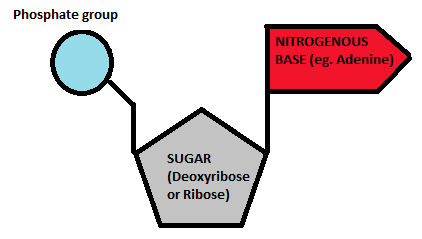
Macro-molecules nucleic acids structure
Following up wih PEBC notes and their evaluating exam structure, we will review a quick important notes as well as tips that you might be asked about during the exam. We will talk about the structure and important tips about the macro-molecules: Nucleic Acids The basic units of nucleic acids are nucleotides; each nucleotide contains…
Apr 22, 2017
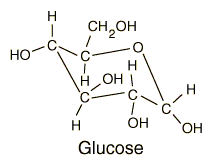
Quick important tips about Carbohydrates (Biochemistry)
Updated: 19/4/2017 So related to biochemistry we will review carbohydrates for the EE, we will share the most important tips and notes related to the PEBC pharmacits evaluating exam! Quick notes: Carbohydrates are the main sources of energy in the body. The liver has the major responsibility for maintaining blood glucose levels. The brain oxidizes…
Apr 18, 2017
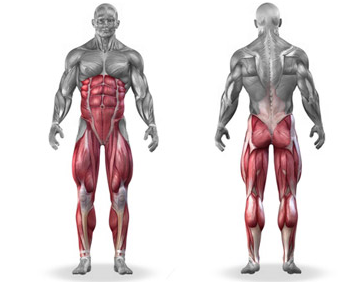
Anatomy Tips for PEBC EE
Basic concepts & tips of anatomy should be covered in PEBC EE, according to the blue print for EE Physiology/ Functional Anatomy is included and should be revised. Let’s go – EE anatomy tips: Body Movements: abduction : moving a limb away in the frontal plane from the median plane of the body, spreading the…
Jul 16, 2017
5 Questions you have to ask before swallowing a medication
Question #1: What do you call this ? Pretty basic, as the pharmacist or technician asking you about your ID or insurance ID, you have to ask him/her about the names of your medications even if you are refilling! Knowing the name of medication is important at least to know what you are going to…
Aug 16, 2016